
Considering a structured, low-calorie approach? This 1100 Calorie Meal Plan PDF offers a detailed 7-day menu, including breakfast, lunch, dinner, and snack options․
It’s designed to help individuals achieve weight loss through controlled caloric intake, potentially leading to approximately one pound lost per week․
Understanding Calorie Deficit for Weight Loss
Weight loss fundamentally relies on creating a calorie deficit – consuming fewer calories than your body expends․ This forces your body to tap into stored fat for energy․ A 1100 calorie meal plan, as detailed in the PDF, aims to establish a significant deficit, potentially leading to rapid weight reduction․
The principle is straightforward: one pound of fat equates to approximately 3,500 calories․ Therefore, to lose two pounds weekly (the maximum generally recommended), a 7,000-calorie weekly deficit is needed․ This translates to roughly 1,000 calories less per day․
The 1100 calorie plan, when combined with a reasonable activity level, can facilitate this deficit․ However, it’s crucial to understand that individual caloric needs vary based on factors like age, sex, height, weight, and activity level․ The PDF provides a framework, but personalized adjustments may be necessary for optimal and safe results․
Successfully implementing a calorie deficit requires consistent tracking and mindful food choices, as highlighted within the plan’s structure․
Is 1100 Calories Safe? Considerations & Risks
A 1100 calorie intake is significantly restrictive and isn’t suitable for everyone․ The PDF emphasizes this isn’t a one-size-fits-all solution․ Potential risks include nutrient deficiencies, fatigue, and metabolic slowdown if not carefully managed․

Individuals with pre-existing medical conditions, particularly those related to metabolism or eating disorders, should avoid this plan without strict medical supervision․ It’s crucial to consult a healthcare professional before starting, especially if you’re on medication like Metformin․
While some, like a 53-year-old with a petite frame, may find it effective, it’s vital to listen to your body․ Symptoms like extreme hunger, dizziness, or weakness warrant immediate cessation and professional evaluation․
The PDF likely stresses the importance of nutrient-dense foods to mitigate deficiency risks․ Prolonged, very low-calorie diets can negatively impact overall health, so careful monitoring is essential․
Who is this Meal Plan Suitable For? (Age, Activity Level)
The 1100 Calorie Meal Plan PDF is generally best suited for individuals with a lower metabolic rate and limited physical activity․ It’s often considered for those who are petite in stature or older adults, as highlighted by a user’s positive experience at age 53․
However, it’s not recommended for growing adolescents, pregnant or breastfeeding women, or individuals engaging in regular, intense exercise․ These groups require significantly more calories to support their physiological needs․
The plan may be appropriate for those seeking a short-term, medically supervised weight loss intervention․ Individuals with a BMI within the obese range might benefit, but only under professional guidance․
The PDF likely emphasizes the importance of individual assessment․ Factors like height, weight, and overall health status should be considered before adopting this restrictive diet․ Prioritizing safety and personalized advice is crucial․

Benefits of a 1100 Calorie Diet
The 1100 Calorie Meal Plan PDF aims for rapid weight loss, potentially around one pound weekly, and improved metabolic health—under medical supervision․
It also fosters portion control and healthy habit formation․
Potential for Rapid Weight Loss
The 1100 Calorie Meal Plan PDF is often sought by individuals aiming for noticeable and relatively quick weight reduction․ Based on the principle that 3,500 calories equate to one pound of fat, a consistent 7,000-calorie weekly deficit – achievable with this plan – can theoretically lead to a loss of approximately one pound per week․
However, it’s crucial to understand that individual results will vary significantly based on factors like starting weight, metabolism, age, and activity level․ Some users have reported successful weight loss following this plan, particularly those with a petite bone structure or those who are older, as highlighted in user testimonials․
It’s important to note that while rapid weight loss can be motivating, extremely restrictive diets should be approached with caution and ideally under the guidance of a healthcare professional․ Sustainable weight management often involves a more gradual and balanced approach․
Improved Metabolic Health (with medical supervision)
The 1100 Calorie Meal Plan PDF, when implemented under strict medical supervision, may contribute to improvements in certain metabolic health markers․ Studies, such as those involving metformin treatment alongside a low-calorie diet (up to 1200 kcal daily), suggest potential benefits․ However, it’s vital to emphasize the necessity of professional oversight․
A carefully structured, low-calorie intake can positively influence insulin sensitivity and glucose metabolism, potentially aiding in the management of conditions like pre-diabetes or type 2 diabetes․ The plan’s focus on nutrient-dense foods – lean proteins, complex carbohydrates, and fruits/vegetables – supports overall metabolic function․
Crucially, this plan is not a standalone solution and should not be undertaken without a doctor’s approval and regular monitoring․ Rapid calorie restriction can have adverse effects, making medical guidance paramount for safety and efficacy․
Portion Control and Habit Formation
The 1100 Calorie Meal Plan PDF inherently emphasizes portion control, a cornerstone of successful weight management and long-term healthy eating habits․ By adhering to pre-defined meal structures and calorie limits, individuals become acutely aware of food quantities and their caloric impact․
This structured approach facilitates the development of mindful eating practices, encouraging slower consumption and greater attention to satiety cues․ The plan’s detailed menus and snack suggestions provide practical guidance on appropriate serving sizes, reducing the likelihood of overeating․
Furthermore, consistent adherence to the plan can foster positive habit formation․ Regularly choosing nutrient-dense foods and managing calorie intake can translate into sustainable lifestyle changes beyond the initial diet period․ This is crucial for maintaining weight loss and preventing future weight regain․
Key Principles of the 1100 Calorie Meal Plan
This plan centers on a balanced macronutrient breakdown, prioritizing nutrient-dense foods, and consistent hydration․ It aims for a caloric deficit while supporting overall health․
Macronutrient Breakdown (Protein, Carbs, Fats)
Achieving optimal results on an 1100 calorie plan requires careful attention to macronutrient ratios․ While specific percentages can vary based on individual needs and activity levels, a general guideline focuses on prioritizing protein intake․
Typically, around 30-40% of daily calories should come from lean protein sources – approximately 83-110 grams․ This supports muscle maintenance during weight loss and promotes satiety․ Complex carbohydrates, providing sustained energy, should constitute 30-40% of the diet – roughly 83-110 grams․
Focus on whole grains, fruits, and vegetables․ Healthy fats, essential for hormone production and nutrient absorption, should make up the remaining 20-30% – around 22-33 grams․ Prioritize unsaturated fats from sources like avocados, nuts, and olive oil․
Remember, these are estimates; consulting a registered dietitian is crucial for personalized macronutrient recommendations tailored to your specific requirements and health status․
Focusing on Nutrient-Dense Foods
Maximizing nutritional intake is paramount when following an 1100 calorie meal plan․ Due to the restricted calorie level, every bite must deliver substantial vitamins, minerals, and fiber․ Prioritize non-starchy vegetables like leafy greens, broccoli, and peppers – they offer volume and nutrients with minimal calories․
Lean protein sources, such as chicken breast, fish, and beans, are crucial for satiety and muscle preservation․ Incorporate complex carbohydrates like quinoa, brown rice, and sweet potatoes in moderation․ Healthy fats from avocados, nuts, and seeds contribute to overall health and fullness․
Avoid empty calories from processed foods, sugary drinks, and excessive saturated or trans fats․ These provide little nutritional value and can hinder weight loss efforts․ Focus on whole, unprocessed foods to ensure you’re receiving the essential nutrients your body needs to function optimally․
Importance of Hydration
Adequate hydration is absolutely critical while adhering to an 1100 calorie meal plan․ Water plays a vital role in numerous bodily functions, including metabolism, digestion, and nutrient absorption․ It also helps promote feelings of fullness, potentially reducing cravings and overeating․

Aim to drink at least eight glasses of water daily, and even more if you are physically active․ Consider incorporating water-rich foods like fruits and vegetables into your diet․ These contribute to your overall fluid intake while providing essential nutrients․
Avoid sugary beverages like sodas and juices, as they add empty calories and can sabotage your weight loss goals․ Herbal teas and infused water are excellent alternatives․ Staying well-hydrated will not only support your physical health but also enhance your energy levels and overall well-being throughout the plan․
Sample 7-Day 1100 Calorie Meal Plan
This plan provides a structured approach with daily menus including breakfast, lunch, dinner, and snacks, all totaling around 1100 calories․
Expect variations in meal options throughout the week for dietary diversity․
Day 1: Example Menu (Breakfast, Lunch, Dinner, Snacks)
Here’s a sample menu for Day 1, totaling approximately 1100 calories․ Begin with a breakfast of cereal and fruit – perhaps ¾ cup of cereal with ½ cup of berries, providing around 250 calories․
For lunch, consider a light mozzarella salad (around 300 calories) or a small portion of vegetable soup․ Dinner could be a lean protein source like roast pork (approximately 400 calories) served with steamed vegetables․
Throughout the day, incorporate two snacks to manage hunger․ A small apple (around 95 calories) and a handful of almonds (approximately 160 calories) are good choices․ Remember to drink plenty of water throughout the day to stay hydrated․
This is just one example; the PDF plan offers various options to maintain a balanced and enjoyable diet while adhering to the 1100-calorie limit․ Adjust portion sizes slightly based on your individual needs and preferences, always prioritizing nutrient-dense foods․
Day 2-7: Overview of Meal Variations
The 1100 Calorie Meal Plan PDF provides a week of diverse meal options, moving beyond the Day 1 example to prevent monotony․ Expect variations in protein sources – fish, chicken, and legumes are frequently featured – alongside a rotating selection of vegetables and fruits․
Breakfasts might include oatmeal with fruit, yogurt with granola, or egg whites with spinach․ Lunches could range from turkey sandwiches on whole-wheat bread to larger salads with lean protein․ Dinners offer choices like baked chicken breast with roasted sweet potatoes or lentil soup․
The plan emphasizes flexibility, allowing for food exchanges within each meal category to suit individual tastes․ Calorie counts are carefully maintained across all options, generally falling between 1100-1300 depending on the specific day’s choices․
Remember to utilize the food exchange system (detailed elsewhere in the PDF) to personalize your meals while staying within the calorie goals․
Food Exchange System & Flexibility

The PDF details food groups and exchanges, enabling substitutions to maintain the 1100-calorie target while catering to preferences․ This system promotes adherence and variety․
Understanding Food Groups and Exchanges
The 1100 Calorie Meal Plan PDF utilizes a food exchange system to provide flexibility while maintaining caloric control․ This system categorizes foods into groups – typically proteins, carbohydrates (starches and fruits), fats, and non-starchy vegetables – based on their similar nutrient content․
Each food group has pre-defined “exchanges” representing a specific calorie and macronutrient profile․ For example, one protein exchange might equal 3-4 ounces of lean meat, while one carbohydrate exchange could be a slice of bread or a small fruit․
Understanding these exchanges is crucial․ It allows you to swap foods within a group without significantly altering the plan’s overall calorie count․ This prevents monotony and accommodates individual preferences․ The PDF will likely detail specific exchange lists, outlining portion sizes and caloric values for each option․
Successfully navigating this system requires careful attention to portion control and a basic understanding of nutritional values․ It empowers individuals to personalize their meals while staying within the 1100-calorie limit․
Swapping Foods to Maintain Calorie Count
The 1100 Calorie Meal Plan PDF’s strength lies in its flexibility, achieved through strategic food swapping․ Utilizing the food exchange system, you can substitute items within the same group without disrupting the overall calorie target․ For instance, if a meal calls for 3oz of chicken (a protein exchange), you could swap it for an equivalent amount of fish or tofu․
However, precision is key․ Ensure the replacement food has a similar caloric and macronutrient profile to the original․ The PDF should provide detailed exchange lists, clearly outlining these values․ Avoid substituting across food groups without careful calculation․

Consider this: swapping a high-fat protein for a lean one requires adjusting other components of the meal to maintain the 1100-calorie limit․ This plan allows for personalization, but demands mindful choices․
Successful swapping prevents diet fatigue and promotes adherence, making the 1100-calorie approach sustainable․ Remember to always refer to the PDF’s exchange lists for accurate guidance․
Recipes for Common Meals (Included in PDF)
The 1100 Calorie Meal Plan PDF features quick and easy recipes for breakfasts, lunches, and dinners․ These options prioritize lean proteins, complex carbohydrates, and fresh produce․
Quick & Easy Breakfast Recipes
Starting your day right is crucial on an 1100 calorie plan, and the PDF provides several convenient breakfast options․ A common suggestion is cereal and fruit, offering a balance of carbohydrates and essential vitamins․ Consider a small portion of whole-grain cereal paired with berries for a fiber-rich start․
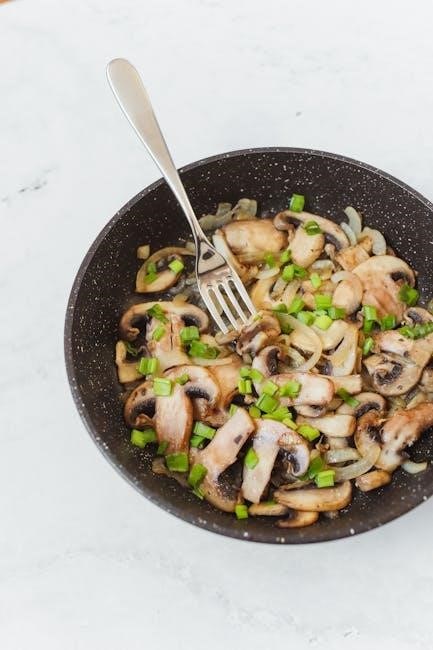
Another quick choice involves eggs – a fantastic source of protein that promotes satiety․ Opt for egg whites or a single whole egg to manage calorie intake․ Combine with spinach or mushrooms for added nutrients․ Greek yogurt with a sprinkle of nuts and seeds is also a great option, delivering protein and healthy fats․
Smoothies are incredibly versatile and fast to prepare․ Blend fruits, vegetables, and a protein source like protein powder or Greek yogurt for a filling and nutritious breakfast․ Remember to control portion sizes to stay within your calorie goals․ These recipes prioritize simplicity and nutritional value, ensuring you begin your day energized and on track․
Low-Calorie Lunch & Dinner Options
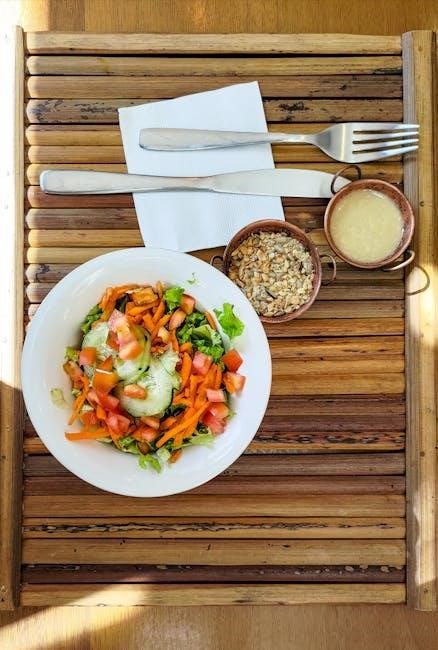
The 1100 calorie meal plan PDF emphasizes lean protein and nutrient-rich foods for both lunch and dinner․ A frequently suggested lunch is a mozzarella salad, combining fresh mozzarella with tomatoes and a light vinaigrette․ Alternatively, a bowl of vegetable soup provides hydration and essential vitamins with minimal calories․
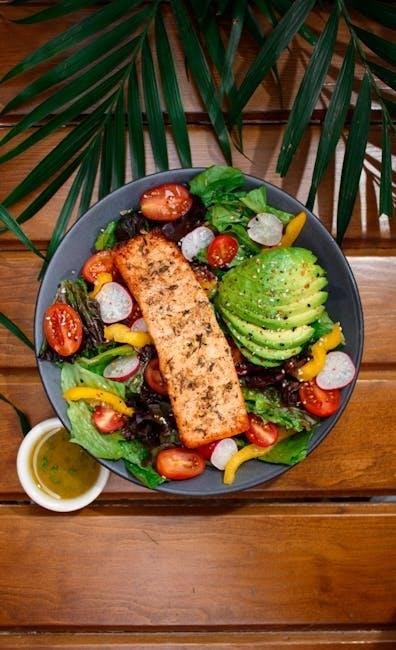
For dinner, roast pork is mentioned as an option, but portion control is key․ Focus on lean cuts and pair it with a generous serving of steamed or roasted vegetables․ Grilled chicken or fish with a side of quinoa or brown rice are also excellent choices․
Prioritize non-starchy vegetables like broccoli, spinach, and asparagus to increase fullness without significantly adding to your calorie count․ Remember to use healthy cooking methods like baking, grilling, or steaming to avoid excess fats․ These options provide satisfying meals while adhering to the plan’s calorie restrictions․