
Nurturing Figure EMDR leverages internal resources, like imagined supportive figures, to foster healing and resilience. This approach, pioneered by Dr. Parnell, aids attachment repair.
What is EMDR Therapy?
EMDR (Eye Movement Desensitization and Reprocessing) therapy is a structured psychotherapy approach designed to alleviate the distress associated with traumatic memories. It doesn’t involve extensive talking about the trauma itself, but rather focuses on processing the disturbing experiences through bilateral stimulation (BLS) – typically eye movements, but also tapping or auditory tones.
This process helps the brain reprocess the memory, reducing its emotional charge and allowing for more adaptive resolution. EMDR operates on the Adaptive Information Processing (AIP) model, believing trauma occurs when information processing is disrupted. Nurturing Figure EMDR builds upon this foundation, specifically incorporating internal resources to enhance safety and support during processing, particularly for those with attachment wounds.
The Role of Resourcing in EMDR
Resourcing is a crucial component of EMDR therapy, especially when addressing traumatic experiences. It involves identifying and strengthening internal resources – positive beliefs, safe places, or supportive figures – to provide a sense of stability and safety before, during, and after trauma processing.
These resources act as a buffer against overwhelm and dissociation. Nurturing Figures are a powerful resourcing tool, offering a felt sense of care, protection, and unconditional positive regard. Tapping into these figures, even imagined ones, can activate the parasympathetic nervous system, promoting calm and self-soothing. Resource tapping, focused on the heart center, amplifies these benefits.
Understanding Nurturing Figures
Nurturing Figures in EMDR aren’t necessarily people who physically existed in one’s life. They can be idealized figures, embodying qualities of care, compassion, and unwavering support. These figures provide a safe haven, offering a sense of being cherished and protected – something potentially lacking in early experiences.
The concept extends beyond a “mother figure”; it encompasses anyone who evokes feelings of safety and unconditional love. Clients may identify multiple nurturing figures, each fulfilling different needs. Recognizing these figures is vital for emotional regulation and healing, especially when processing difficult memories.
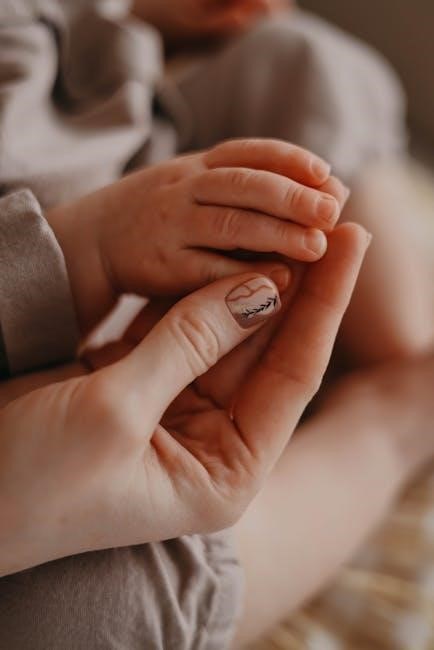
Identifying Your Nurturing Figure
Finding a nurturing figure involves exploring who consistently feels “just right” – a source of comfort, protection, and unconditional positive regard, real or imagined.
Real vs. Imagined Nurturing Figures
Identifying a nurturing figure doesn’t necessitate a perfect real-life counterpart. Many individuals find solace in constructing an imagined figure embodying qualities they lacked in primary caregivers. This figure can be a composite of positive traits from various people, or entirely fictional.
The crucial aspect isn’t the figure’s origin, but the feeling of safety, support, and unconditional love they evoke. A real person might partially fulfill this role, while the imagined figure completes the picture.
It’s perfectly valid – and often profoundly healing – to cultivate a nurturing presence within oneself, accessing an “adult self” capable of providing the care one needed as a child. The goal is to establish a secure base for emotional regulation and trauma processing.
The “Ideal” Nurturing Figure Qualities
Defining the “ideal” nurturing figure is deeply personal, yet common threads emerge. Key qualities include unwavering acceptance, unconditional love, consistent support, and a non-judgmental presence. This figure embodies safety and offers a sense of refuge during times of distress.
They possess qualities like empathy, patience, and the ability to validate feelings without attempting to fix them; A nurturing figure doesn’t need to be powerful or heroic; their strength lies in their consistent availability and gentle guidance.
Importantly, this figure should inspire feelings of calm and security, fostering self-compassion and inner resilience. They represent a source of internal strength and unwavering belief in one’s worth;
Addressing Feelings of Sadness During Identification
Identifying a nurturing figure can unexpectedly evoke sadness, particularly when reflecting on unmet childhood needs. It’s common to long for the support that wasn’t readily available, triggering grief and a sense of loss. Acknowledge these feelings as a natural part of the process; they signify a yearning for connection and healing.
Normalize the sadness and validate the pain of past experiences. Gently remind yourself that creating this figure now is an act of self-compassion and a step towards internal healing.
Allow yourself to feel the emotions without judgment, recognizing that it’s okay to grieve what was missing. This process can ultimately strengthen the connection with your chosen figure.

The EMDR Script for Nurturing Figures
EMDR scripts for nurturing figures guide clients through phases of history taking, preparation, and assessment, utilizing bilateral stimulation to process memories safely.
Phase 1: History Taking and Treatment Planning
Phase 1 of Nurturing Figure EMDR involves a thorough client history, focusing on attachment experiences and identifying potential nurturing figures – real, imagined, or even aspects of the self.
The therapist collaboratively develops a treatment plan, prioritizing target memories linked to attachment wounds. This stage establishes a safe therapeutic relationship and clarifies treatment goals.
Crucially, the therapist assesses the client’s capacity for resource development and identifies existing strengths. Understanding the client’s past and present coping mechanisms informs the selection of appropriate nurturing figures and the pacing of subsequent EMDR phases.
This foundational phase ensures the EMDR process is tailored to the individual’s unique needs and promotes a sense of safety and control.
Phase 2: Preparation – Establishing Safety and Resources
Phase 2 centers on building a strong foundation of safety and internal resources before processing traumatic memories. This involves collaboratively identifying and strengthening a nurturing figure – someone who embodies unconditional love and support.
Techniques like visualization and resource tapping are employed to deepen the connection with this figure, fostering feelings of comfort and security. Clients are guided to access the sensations of being nurtured and protected.
Establishing a “safe place” imagery is also common, providing a mental refuge during moments of distress; This preparation ensures the client has internal resources to manage any emotional intensity that may arise during processing.
Phase 3: Assessment – Identifying Target Memories
Phase 3 focuses on carefully identifying specific target memories that contribute to current emotional distress. This isn’t about reliving trauma, but pinpointing events that hold unprocessed emotional charge. The therapist guides the client to select a memory, noting the associated images, negative cognitions (beliefs), emotions, and body sensations.
A crucial aspect is assessing the Validity of Cognition (VOC) scale – how strongly the client believes the negative cognition.
The goal is to choose a memory that feels manageable, allowing for processing without overwhelming the client. The nurturing figure, established in Phase 2, serves as a resource throughout this assessment and subsequent phases.

Utilizing Bilateral Stimulation
Bilateral Stimulation (BLS), like tapping, activates the brain’s natural processing system, facilitating emotional release and integration while connecting with the nurturing figure.
What is Bilateral Stimulation (BLS)?
Bilateral Stimulation (BLS) is a core component of EMDR therapy, involving the rhythmic application of stimulation to both sides of the body. This can take various forms, including eye movements, tactile tapping, or auditory tones. The purpose of BLS isn’t to directly address the trauma, but rather to activate the brain’s natural information processing system.
It’s believed that BLS mimics the rapid eye movements that occur during REM sleep, a phase associated with dream processing and emotional regulation. During Nurturing Figure EMDR, BLS is used while the client focuses on the image and feelings associated with their nurturing figure. This helps to deepen the connection and facilitate the integration of positive emotions and a sense of safety. The rhythmic nature of BLS can be profoundly calming and supportive.
How BLS Facilitates Processing
Bilateral Stimulation (BLS) facilitates processing by reducing the vividness of distressing memories and allowing for adaptive resolution. It’s thought to work by decreasing activity in the amygdala – the brain’s fear center – and increasing activity in the prefrontal cortex, responsible for rational thought and emotional regulation.
When paired with the nurturing figure imagery, BLS helps clients access and process emotions related to unmet needs for care and support. It allows the brain to reprocess the traumatic experience with the presence of a safe, internal resource. This process isn’t about erasing the memory, but rather changing its emotional charge, fostering a sense of empowerment and self-soothing.
Tapping Techniques During Nurturing Figure Work
Tapping, a form of Bilateral Stimulation, is frequently used during Nurturing Figure EMDR to enhance the connection with the internal resource. Clients typically tap on specific acupressure points – often the sides of the hands, temples, or under the eyes – while focusing on the nurturing figure and associated feelings.
Resource Tapping specifically involves focusing on the positive sensations of nurture and support while tapping. The Parnell Institute suggests utilizing the heart center as a place of refuge during this process. Continue tapping as long as it feels positive, allowing the love and support to permeate, and visualizing this resource in future challenging situations.
Deepening the Connection with Your Nurturing Figure
Visualization and experiencing feelings of support are key. Clients are encouraged to soak in the nurturing presence, utilizing resource tapping to amplify the connection.
Visualizing the Nurturing Figure
Begin by gently closing your eyes and allowing an image of your nurturing figure to emerge. It doesn’t need to be a specific person; it can be an embodiment of qualities you desire. Notice details – their expression, posture, and the warmth they radiate.
Focus on their eyes, imagining a loving and accepting gaze directed solely at you. Allow yourself to fully experience the feeling of being seen and understood without judgment. As you hold this image, notice any sensations in your body – warmth in your chest, a sense of calm, or a softening around your shoulders.
Continue to refine the image, adding details that enhance the feeling of safety and support. This figure is a source of unconditional love, always available to offer comfort and strength. Let this visualization be a refuge, a place where you can feel truly nurtured and protected.
Experiencing the Feelings of Nurture and Support
As you maintain the image of your nurturing figure, allow yourself to fully experience the feelings of nurture and support they offer. What does it feel like to be held in their loving presence? Notice the sensations – a sense of warmth, safety, and acceptance washing over you.
Breathe deeply, allowing these feelings to permeate every cell in your body. Imagine their energy surrounding you, shielding you from harm and offering unwavering encouragement. Let go of any resistance and simply allow yourself to receive this unconditional love.
Recognize that this love resides within you, too. Your nurturing figure is a representation of your own inner capacity for self-compassion and resilience. Embrace this feeling, knowing it’s always accessible when you need it.
Resource Tapping and the Heart Center
During nurturing figure work, utilize resource tapping, focusing on your heart center as a place of refuge and connection. Gently tap on points like under the eyes, beside the eyes, under the nose, and on the chin while maintaining the image of your nurturing figure.
As you tap, amplify the feelings of love, support, and safety emanating from this figure. Visualize this energy flowing directly into your heart, filling it with warmth and compassion. Continue tapping for as long as it feels positive and nurturing.
Know this love is always available to you, a constant source of comfort and strength. This practice reinforces the internal resource, making it readily accessible in challenging moments.

Expanding the Nurturing Figure’s Role
The nurturing figure can evolve into a protector, offering strength and guidance in future situations, embodying resilience and inner wisdom for lasting support.
The Nurturing Figure as a Protector
Beyond simply offering comfort, your identified nurturing figure can powerfully transform into a protective presence. Visualize this figure actively shielding you from harm, both past and present. This isn’t about denying difficult experiences, but about establishing a sense of safety with them.
Imagine them standing between you and sources of distress, radiating strength and unwavering support. This protective aspect is crucial for reprocessing traumatic memories, allowing you to feel held and defended during vulnerable moments.
The protector figure embodies courage and resilience, offering a secure base from which to explore challenging emotions. Tap into the feelings of safety and empowerment this visualization evokes, reinforcing the belief that you are not alone in facing adversity.
Applying the Nurturing Figure to Future Situations
The strength of Nurturing Figure EMDR lies in its ability to extend beyond past trauma, offering support for anticipated challenges. During resource tapping, vividly imagine facing a future situation that typically evokes anxiety or fear.
Simultaneously, visualize your nurturing figure present with you, offering unwavering support and protection. Feel their calming presence as you navigate the scenario, drawing strength from their belief in your capabilities;
This proactive application builds confidence and resilience, demonstrating that you are no longer alone in facing life’s difficulties. Regularly practicing this visualization strengthens the connection, making the nurturing figure readily accessible when needed.
Multiple Nurturing Figures – Different Roles
The beauty of Nurturing Figure EMDR is its flexibility; you aren’t limited to a single figure. Clients often discover that different figures fulfill distinct needs. One might embody unwavering protection, while another offers gentle nurturing and understanding.
Perhaps you envision a wise mentor providing guidance, or a playful companion offering joy and lightness. Exploring these diverse roles allows for a more comprehensive sense of internal support.
Identifying several figures ensures that all facets of your emotional landscape are addressed, creating a robust internal system of care. This multifaceted approach enhances healing and promotes lasting resilience.

Attachment-Focused EMDR
Attachment-Focused EMDR, developed by Dr. Parnell, prioritizes establishing secure attachment through nurturing figures, directly addressing relational trauma and fostering emotional safety.
The Importance of Attachment Repair
Attachment repair is central to healing trauma, particularly when early relational wounds exist. Nurturing Figure EMDR directly addresses these wounds by creating an internal sense of safety and secure attachment. Often, individuals lack consistent, reliable nurturing experiences, leading to difficulties in self-regulation and interpersonal relationships.
This therapeutic approach aims to provide the missing elements of care and protection through the identification and utilization of nurturing figures – real, imagined, or even the empowered adult self. By accessing these internal resources, clients can begin to repattern negative beliefs about themselves and others, fostering a more secure attachment style. Dr. Parnell emphasizes establishing these figures early in treatment, recognizing their foundational role in processing traumatic memories.
Dr. Parnell’s Approach to Nurturing Figures
Dr. Parnell’s innovative work centers on establishing three key internal figures: nurturing, protective, and wisdom figures. She advocates introducing these figures early in EMDR therapy, viewing them as foundational resources for trauma processing. The nurturing figure provides comfort and support, addressing unmet childhood needs. The protective figure offers a sense of safety and strength, while the wisdom figure imparts guidance and perspective.
Her Attachment-Focused EMDR workshops highlight the importance of identifying which figure resonates most strongly with each client. This personalized approach allows for tailored resource development and installation, maximizing the therapeutic benefits. Parnell’s method emphasizes accessing these figures repeatedly, strengthening their presence and accessibility during challenging moments.

The Adult Self as a Nurturing Figure
Accessing your empowered, mature self allows you to become your own nurturing figure, offering self-compassion and support when recalling past experiences.
Accessing Your Empowered State
Tapping into your present-day resources is crucial when utilizing the adult self as a nurturing figure. This involves consciously connecting with feelings of strength, wisdom, and self-reliance that you possess now. Recall times when you successfully navigated challenges, demonstrating resilience and capability.
Visualize yourself as a confident and capable individual, offering comfort and guidance to your younger self. This isn’t about rewriting the past, but providing the nurturing that was perhaps missing. Focus on qualities like self-assurance, kindness, and unwavering support.
Engage bilateral stimulation while focusing on these empowered feelings, solidifying the connection to your inner resource. This allows the nervous system to integrate the sense of safety and self-compassion, fostering a stronger internal foundation.
Utilizing Present-Day Resources
Shifting focus to current strengths allows for resource development, even when past nurturing was insufficient. Identify supportive relationships you have now – friends, family, or colleagues who offer consistent care and understanding. These present connections can serve as anchors during EMDR processing.
Acknowledge your own internal resources: resilience, coping skills, and self-soothing techniques. What helps you feel grounded and safe in the present moment? These are valuable assets to draw upon when accessing the nurturing figure.
Integrate these resources into the visualization, imagining them bolstering the nurturing figure’s presence and support. This reinforces the belief that you are not alone and have access to care.

Potential Challenges and Considerations
Complex trauma or dissociation may require a slower pace and careful titration during Nurturing Figure EMDR, prioritizing safety and stabilization.
Dealing with Complex Trauma
Complex trauma often involves fragmented self-states and deeply ingrained negative beliefs, demanding a modified EMDR approach. When utilizing Nurturing Figure work, proceed with heightened sensitivity and pacing. Prioritize establishing robust resources before addressing traumatic memories.
Clients with complex trauma may experience intense emotional dysregulation or dissociation. Frequent resource tapping, focusing on the heart center, can provide grounding and stabilization. The nurturing figure can initially serve as a consistent source of comfort and safety, buffering the intensity of processing.
Be prepared to work with multiple nurturing figures, each embodying different protective or supportive qualities. Allow ample time for preparation and stabilization phases, ensuring the client feels empowered and in control throughout the process.
Working with Dissociation
Dissociation presents unique challenges in EMDR, requiring careful titration and a strong emphasis on present moment awareness. When working with dissociative clients, the nurturing figure can act as an anchor to the body and a source of internal connection.
Begin by establishing a safe and grounded internal resource, potentially the adult self, before introducing the nurturing figure. Encourage the client to visualize the figure as a stabilizing presence, offering comfort and containment.
Utilize bilateral stimulation gently, monitoring for signs of increased dissociation. Frequent resource installation and grounding exercises are crucial. The nurturing figure can help reintegrate fragmented parts, fostering a sense of wholeness and safety.

Resources and Further Information
Explore the Parnell Institute for comprehensive training and resources on Attachment-Focused EMDR. Seek a qualified EMDR therapist for personalized guidance and support.
Parnell Institute Resources
The Parnell Institute stands as a leading provider of training and resources specifically focused on Attachment-Focused EMDR Therapy (AF-EMDR). Their website offers a wealth of information regarding nurturing figures, protector figures, and the integration of attachment theory into EMDR practice.
You can find workshops, online courses, and articles detailing the techniques for establishing internal nurturing figures, utilizing bilateral stimulation for resource development, and addressing complex trauma through an attachment lens. The Institute’s materials emphasize the importance of identifying and strengthening these internal resources to promote emotional regulation and healing.
Specifically, look for resources detailing the three-step process Dr. Parnell advocates: establishing nurturing, protective, and wisdom figures. These resources will provide a deeper understanding of how to effectively implement this powerful EMDR approach.
Finding a Qualified EMDR Therapist
Locating a therapist trained in EMDR, and specifically in Attachment-Focused EMDR, is crucial for effective treatment. The EMDR International Association (EMDRIA) provides a directory of certified EMDR therapists on their website, allowing you to search by location and specialization.
When searching, look for therapists who explicitly mention training in AF-EMDR or a focus on attachment issues. Don’t hesitate to inquire about their experience with nurturing figure work during a consultation.
A qualified therapist will be able to guide you through the process of identifying and strengthening your internal resources, ensuring a safe and supportive therapeutic environment. Verify their credentials and ensure they are licensed to practice in your region.